Skin Conditions
I love working with skin because it’s often a visible reflection of what’s happening inside the body. Many skin conditions—like eczema, acne, psoriasis, or rosacea—are influenced by diet, gut health, hormones, and lifestyle factors. My approach as a naturopath focuses on uncovering the root causes rather than just treating the surface. I support the skin through targeted nutrition, herbal medicine, gut support, and lifestyle guidance, helping my clients achieve healthier, glowing skin from the inside out. Seeing someone regain confidence and comfort in their own skin is one of the most rewarding parts of my work.
Skin Conditions I Commonly Treat:
Acne
Acne can be influenced by hormonal fluctuations, diet, inflammation, and gut imbalances. It shows up as blocked pores, pimples, or cystic lesions, often causing both physical discomfort and emotional distress. By addressing hormonal support, balancing blood sugar, reducing inflammation, and nurturing the gut microbiome, the body’s natural ability to maintain clear skin can be restored. Supporting the skin internally often leads to healthier, more resilient skin and fewer persistent breakouts.
Eczema
Eczema is often a sign of underlying imbalances in the body, including gut health, inflammation, and immune system responses. It typically presents as dry, itchy, and inflamed patches of skin that can flare in response to triggers like food sensitivities, stress, or environmental irritants. By supporting the body with targeted nutrition, gut healing strategies, herbal support, and calming anti-inflammatory approaches, it’s possible to reduce flare-ups and restore the skin’s natural barrier. Focusing on the root cause rather than just topical relief allows for longer-lasting improvements and comfort.Psoriasis
Psoriasis appears as thick, scaly, red patches on the skin, often linked to immune system overactivity and systemic inflammation. It may flare with stress, dietary triggers, or gut imbalances. Supporting the body’s natural detoxification pathways, calming inflammation through targeted nutrition and herbs, and balancing the gut-immune connection can help manage symptoms and reduce flare-ups over time. A holistic approach helps the skin regain balance while also supporting overall health.
Lichen Planus
Lichen planus is an inflammatory condition that can affect the skin, hair, nails, and mucous membranes, often presenting as itchy, purplish, or lacy patches. While the exact cause is not fully understood, immune system dysregulation, stress, and gut health play a role. Supporting the body’s immune balance, calming inflammation, and addressing triggers internally can help reduce flare-ups and improve skin comfort, while also supporting overall wellness.
Other Skin Conditions
Conditions like rosacea, hives, or dermatitis often reflect internal imbalances such as inflammation, food sensitivities, or stress. Symptoms range from redness and swelling to itchiness or rashes, and they can flare unpredictably. By addressing underlying triggers, supporting the gut and immune system, and using gentle anti-inflammatory strategies, it’s possible to reduce the frequency and severity of flare-ups. Taking a whole-body approach allows the skin to heal naturally and sustainably.Belly to Brain E-Book
Belly to Brain E-Book
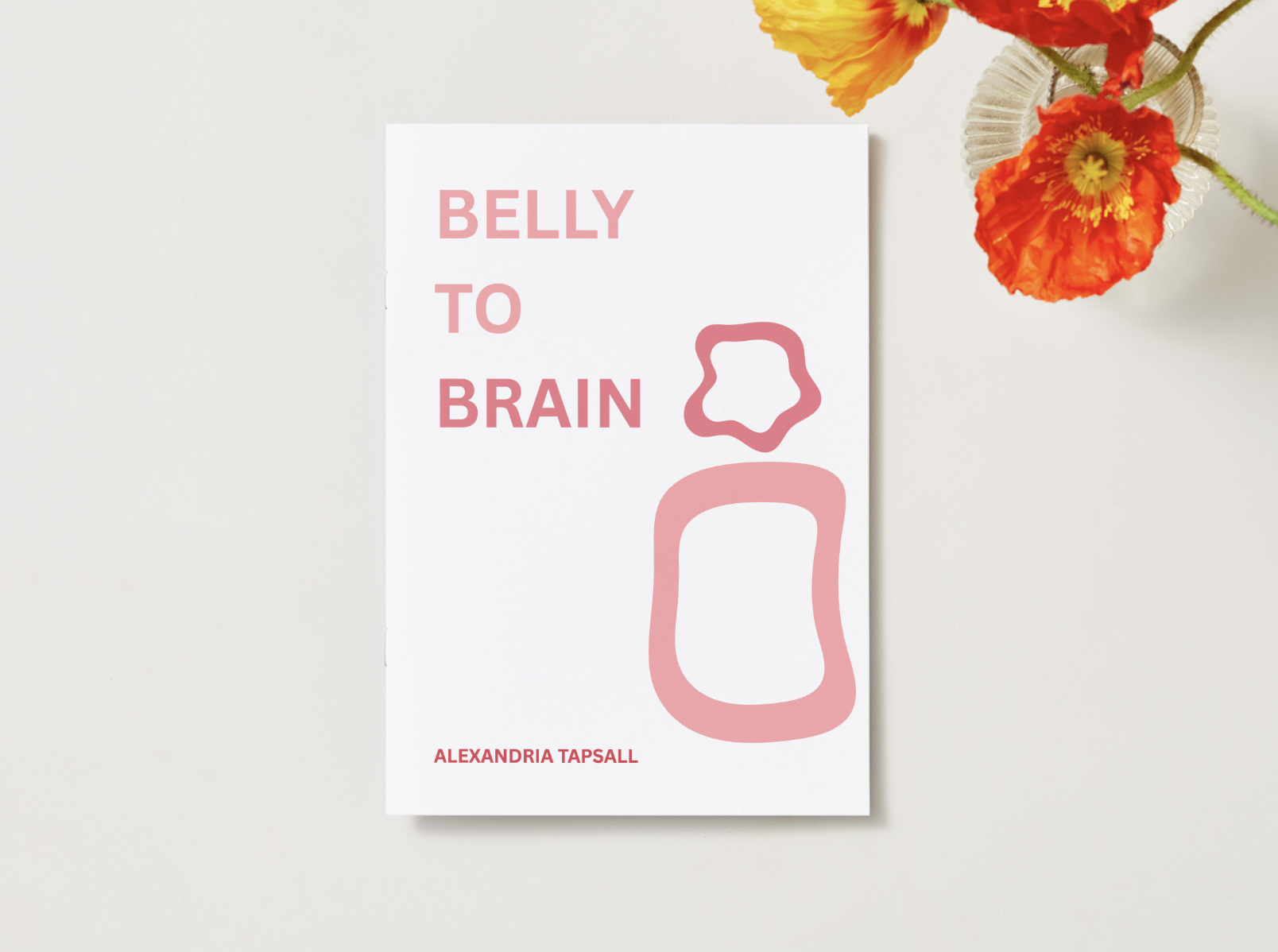
The gut–brain axis is the two-way communication network between the digestive system and the brain. This connection is mediated through the nervous system (particularly the vagus nerve), hormones, immune signalling, and the gut microbiome. Rather than operating separately, the gut and brain are in constant conversation — meaning what happens in the gut can directly influence mood, cognition, stress response, and emotional wellbeing, and vice versa.
Around 70–80% of the body’s serotonin is produced in the gut, and the gut microbiome plays a crucial role in neurotransmitter production, inflammation regulation, and stress resilience. When gut health is compromised — through chronic stress, infections, dysbiosis, inflammation, or poor digestion — this communication can become dysregulated, contributing to symptoms such as anxiety, low mood, brain fog, fatigue, and digestive distress.
Equally, psychological stress can alter gut motility, increase intestinal permeability, disrupt the microbiome, and heighten gut sensitivity. This is why conditions like IBS, anxiety, depression, and chronic stress so often coexist.