Mental Health Conditions
I’m deeply passionate about supporting mental health because emotional wellbeing is inseparable from physical health. Anxiety, low mood, burnout, poor sleep, and stress-related symptoms are often the body’s way of signalling deeper imbalances - whether that’s nervous system dysregulation, nutrient depletion, hormonal shifts, or gut-brain axis disruption. Many people feel dismissed or told their symptoms are “just stress,” without receiving the support they truly need.
My naturopathic approach to mental health
My approach to mental health is holistic, compassionate, and individualised. I take the time to understand the full picture - including stress load, sleep, gut health, nutrient status, hormones, and lifestyle factors - to identify what is driving symptoms at a root level. Treatment may include targeted nutritional and herbal medicine, nervous system support, gut-brain axis regulation, and realistic lifestyle strategies that fit into everyday life.
I’m particularly passionate about helping clients feel safe in their bodies again, calm an overactive nervous system, and rebuild emotional resilience. By working alongside, not against, the body’s natural healing processes, my goal is to help clients experience greater clarity, stability, energy, and confidence in their mental and emotional wellbeing.
Mental Illness I Commonly Treat:
Anxiety
Anxiety is more than just excessive worry — it is a state of nervous system overload that can affect both the mind and body. People with anxiety often experience racing thoughts, restlessness, tension, poor sleep, digestive discomfort, fatigue, heart palpitations, and difficulty switching off. Anxiety may be driven or worsened by chronic stress, gut dysfunction, blood sugar imbalances, nutrient deficiencies, hormonal changes, or ongoing inflammation. I approach anxiety by supporting the body as a whole, rather than viewing it as a standalone mental health condition. Treatment is personalised and may involve calming and restorative herbal medicine, targeted nutritional support, regulation of the gut–brain axis, and practical strategies to stabilise the nervous system. I also focus on identifying underlying contributors such as digestive health, sleep disruption, hormonal imbalances, and lifestyle stressors.
My goal is to help clients move out of constant fight-or-flight mode and into a state of calm, resilience, and confidence — so anxiety feels manageable, not overwhelming, and life feels easier to navigate again.
Depression
Depression is a complex condition that affects mood, motivation, energy, sleep, and overall sense of wellbeing. It can present as persistent low mood, loss of interest or pleasure, fatigue, brain fog, changes in appetite, poor sleep, and feelings of disconnection or overwhelm. Depression is often influenced by factors such as chronic stress, inflammation, gut health imbalances, nutrient deficiencies, hormonal shifts, and nervous system dysregulation. I approach depression by looking beyond symptoms to understand what is happening within the body and nervous system. Treatment is individualised and may include nutritional and herbal medicine to support neurotransmitter balance, reduce inflammation, restore energy, and stabilise mood. I also focus on gut–brain axis support, sleep regulation, and gentle lifestyle strategies that help rebuild resilience. My aim is to support clients in feeling more connected, motivated, and emotionally supported over time, while working alongside appropriate medical care when needed.Chronic Fatigue
Chronic fatigue is more than simply feeling tired — it is a persistent, debilitating lack of energy that does not improve with rest. It can affect concentration, mood, immune function, and daily functioning. Chronic fatigue is often linked to nutrient deficiencies, mitochondrial dysfunction, chronic stress, inflammation, gut health imbalances, post-viral illness, or hormonal dysregulation. My approach focuses on uncovering and addressing the underlying contributors to fatigue rather than pushing the body to do more. Treatment is gentle and restorative, supporting energy production, nutrient repletion, gut health, immune function, and nervous system regulation. I prioritise pacing, recovery, and realistic support strategies to help clients rebuild energy gradually and sustainably, without burnout or setbacks.Chronic Stress
Chronic stress occurs when the body remains in a prolonged state of pressure without adequate recovery. Over time, this can affect digestion, hormones, immune function, mood, sleep, and energy levels. Common symptoms include fatigue, anxiety, poor sleep, digestive issues, brain fog, irritability, frequent illness, and feeling constantly “wired but tired.” I work to support the stress response at both a physiological and nervous system level. Treatment may involve adrenal and nervous system support, nutritional and herbal medicine, gut–brain axis regulation, and realistic lifestyle strategies that prioritise rest and recovery. The goal is to help the body regain balance, improve stress resilience, and move out of survival mode into a state of calm and restoration.Addiction
Nicotine addiction, including vaping and smoking, is both a physical dependency and a nervous system coping mechanism. Many people use nicotine to manage stress, anxiety, emotional regulation, or fatigue, often without realising the deeper drivers behind the habit. Withdrawal symptoms, cravings, irritability, low mood, and energy fluctuations can make quitting feel overwhelming. I support clients by addressing both the physical and emotional components of nicotine addiction. This may include nutritional and herbal support to reduce cravings, stabilise mood, support detoxification pathways, and regulate the nervous system. I also focus on identifying triggers such as stress, blood sugar imbalances, and emotional overwhelm. My approach is non-judgemental and supportive, helping clients feel empowered and resourced as they move toward sustainable change.PTSD
PTSD occurs when the nervous system remains in a heightened state of threat following trauma. This can lead to symptoms such as anxiety, hypervigilance, intrusive thoughts, emotional numbness, sleep disturbances, fatigue, digestive issues, and difficulty feeling safe or regulated in the body. Trauma is stored not only in the mind, but also within the nervous and physiological systems. My approach to PTSD is trauma-informed, gentle, and supportive of the nervous system. I focus on helping the body move out of chronic fight-or-flight by supporting stress hormones, sleep, gut–brain communication, and nutrient status. Treatment may include calming herbal medicine, nutritional support, and nervous system regulation strategies designed to restore a sense of safety and stability. This work is always complementary to psychological therapy, with the aim of supporting healing at both a physical and emotional level.Belly to Brain E-Book
Belly to Brain E-Book
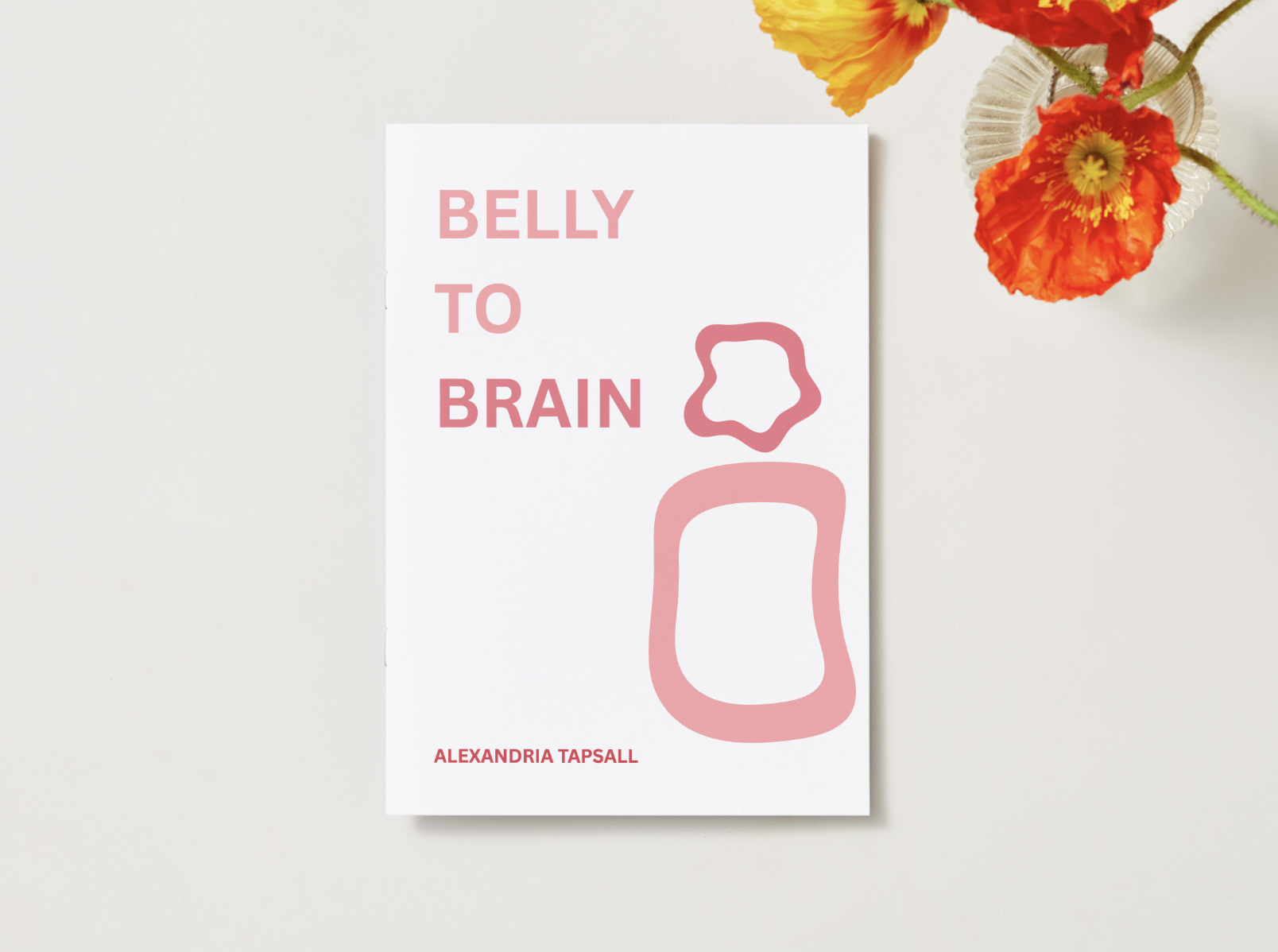
The gut–brain axis is the two-way communication network between the digestive system and the brain. This connection is mediated through the nervous system (particularly the vagus nerve), hormones, immune signalling, and the gut microbiome. Rather than operating separately, the gut and brain are in constant conversation — meaning what happens in the gut can directly influence mood, cognition, stress response, and emotional wellbeing, and vice versa.
Around 70–80% of the body’s serotonin is produced in the gut, and the gut microbiome plays a crucial role in neurotransmitter production, inflammation regulation, and stress resilience. When gut health is compromised — through chronic stress, infections, dysbiosis, inflammation, or poor digestion — this communication can become dysregulated, contributing to symptoms such as anxiety, low mood, brain fog, fatigue, and digestive distress.
Equally, psychological stress can alter gut motility, increase intestinal permeability, disrupt the microbiome, and heighten gut sensitivity. This is why conditions like IBS, anxiety, depression, and chronic stress so often coexist.