Gut Conditions

I have myself, dealt with ongoing, never-ending gut conditions, until I did testing and looked for the root cause!I am deeply passionate about working with gastrointestinal conditions because I’ve seen how profoundly gut health impacts every part of life, from energy and mood to confidence and daily comfort. Digestive symptoms are often complex, frustrating, and misunderstood, and many people are told “everything looks normal” while still feeling far from well. I love taking the time to listen, uncover root causes, and support the gut-brain connection so clients feel truly heard and supported. Helping someone move from constant discomfort to trust in their body again is what makes this work so meaningful to me.
Gastrointestinal Conditions I Commonly Treat:
Common Digestive Complaints
Digestive conditions can present in many ways, and symptoms often extend beyond the gut itself. Common signs include bloating, abdominal pain or cramping, gas, reflux, diarrhoea, constipation or alternating bowel habits, nausea, food sensitivities, fatigue, brain fog, nutrient deficiencies, skin issues, and changes in mood or stress tolerance. Many people also notice their symptoms worsen during times of stress, hormonal changes, or after illness or antibiotic use. My naturopathic approach focuses on identifying and addressing the root cause rather than simply managing symptoms. Treatment is personalised and may include functional testing where appropriate, targeted herbal and nutritional support, and dietary strategies tailored to the individual rather than one-size-fits-all plans. I place strong emphasis on supporting digestion, restoring a healthy gut microbiome, reducing inflammation, repairing the gut lining, and regulating the gut–brain axis.Irritable Bowel Syndrome
Irritable Bowel Syndrome (IBS) is a common functional gastrointestinal condition that affects how the gut works, rather than showing up as damage or disease on tests. People with IBS often experience symptoms such as bloating, abdominal pain or cramping, gas, and changes in bowel habits - including diarrhoea, constipation, or a mix of both.
IBS is influenced by a combination of factors, including gut sensitivity, altered gut motility, changes in the gut microbiome, low-grade inflammation, and dysregulation of the gut-brain axis. Stress and emotional load can significantly worsen symptoms, which is why IBS is often described as a condition involving both the digestive system and the nervous system.
While IBS is not dangerous or life-threatening, it can greatly impact quality of life. The good news is that IBS is very manageable when addressed with a personalised approach that looks beyond symptoms alone - supporting digestion, calming the nervous system, restoring gut balance, and identifying individual triggers so people can feel comfortable, confident, and in control of their gut again
Chron’s Disease
Crohn’s disease is a chronic inflammatory bowel condition (IBD) in which the immune system mistakenly attacks the digestive tract, leading to ongoing inflammation. It can affect any part of the gastrointestinal tract from the mouth to the anus, though it most commonly impacts the small intestine and colon. Symptoms often include abdominal pain, persistent diarrhoea, urgency, fatigue, weight loss, nutrient deficiencies, and flare–remission cycles that can be unpredictable and exhausting.
Unlike functional gut conditions, Crohn’s involves visible inflammation and tissue damage, which is why medical management is essential. However, supportive care plays an important role alongside conventional treatment. A holistic, individualised approach can help reduce symptom burden, support nutrient status, calm the gut–immune response, and improve quality of life during both flares and remission.
While Crohn’s is a lifelong condition, with the right support many people are able to achieve long periods of stability, better energy, and a stronger sense of control over their digestive health and overall wellbeing.
SIBO
Small Intestinal Bacterial Overgrowth (SIBO) is a condition where excessive or misplaced bacteria grow in the small intestine, an area that normally contains relatively low levels of bacteria. This overgrowth interferes with normal digestion and nutrient absorption, leading to symptoms such as bloating (often soon after eating), abdominal discomfort, excessive gas, reflux, diarrhoea, constipation, or alternating bowel habits, as well as fatigue and brain fog.
SIBO is often driven by underlying factors such as impaired gut motility, previous gut infections, chronic stress, hormonal influences, or a history of restrictive dieting or antibiotic use. Because of this, symptoms can persist or recur if these root drivers are not addressed.
With appropriate testing and a structured, personalised treatment approach, SIBO is very manageable. Supporting bacterial reduction, improving digestive function, restoring gut motility, and rebalancing the microbiome can help reduce symptoms and support long-term digestive resilience.
Parasitic and Bacterial Infections
Parasitic and bacterial gut infections occur when harmful microorganisms disrupt the normal balance of the digestive system. These infections can be picked up through contaminated food or water, travel, close contact with others, or a weakened gut or immune system. Common symptoms include bloating, abdominal pain, diarrhoea or constipation, nausea, reflux, fatigue, nutrient deficiencies, and in some cases skin issues or brain fog.
Unlike functional conditions such as IBS, parasitic and bacterial infections involve an identifiable organism that can directly irritate the gut lining, alter digestion, and interfere with nutrient absorption. Even after the initial infection has passed, lingering inflammation or microbiome disruption can cause ongoing symptoms if not properly addressed.
With the right testing and a targeted, individualised treatment approach, these infections are very treatable. Supporting eradication of the pathogen, restoring healthy gut bacteria, repairing the gut lining, and strengthening the gut-immune connection can help clients move from persistent digestive distress to long-term gut resilience and symptom relief.
Belly to Brain E-Book
Belly to Brain E-Book
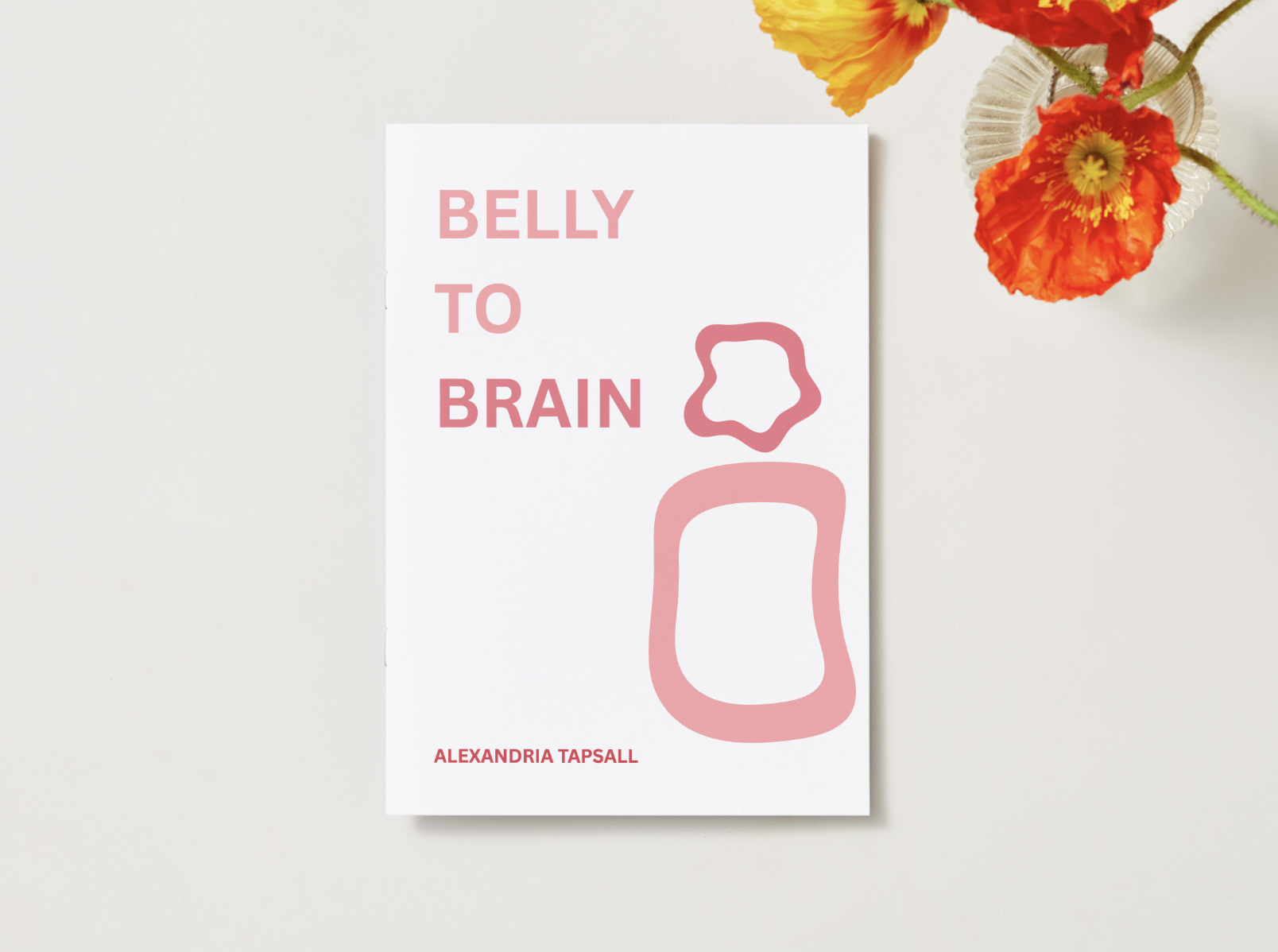
The gut–brain axis is the two-way communication network between the digestive system and the brain. This connection is mediated through the nervous system (particularly the vagus nerve), hormones, immune signalling, and the gut microbiome. Rather than operating separately, the gut and brain are in constant conversation — meaning what happens in the gut can directly influence mood, cognition, stress response, and emotional wellbeing, and vice versa.
Around 70–80% of the body’s serotonin is produced in the gut, and the gut microbiome plays a crucial role in neurotransmitter production, inflammation regulation, and stress resilience. When gut health is compromised — through chronic stress, infections, dysbiosis, inflammation, or poor digestion — this communication can become dysregulated, contributing to symptoms such as anxiety, low mood, brain fog, fatigue, and digestive distress.
Equally, psychological stress can alter gut motility, increase intestinal permeability, disrupt the microbiome, and heighten gut sensitivity. This is why conditions like IBS, anxiety, depression, and chronic stress so often coexist.