Founder’s Story
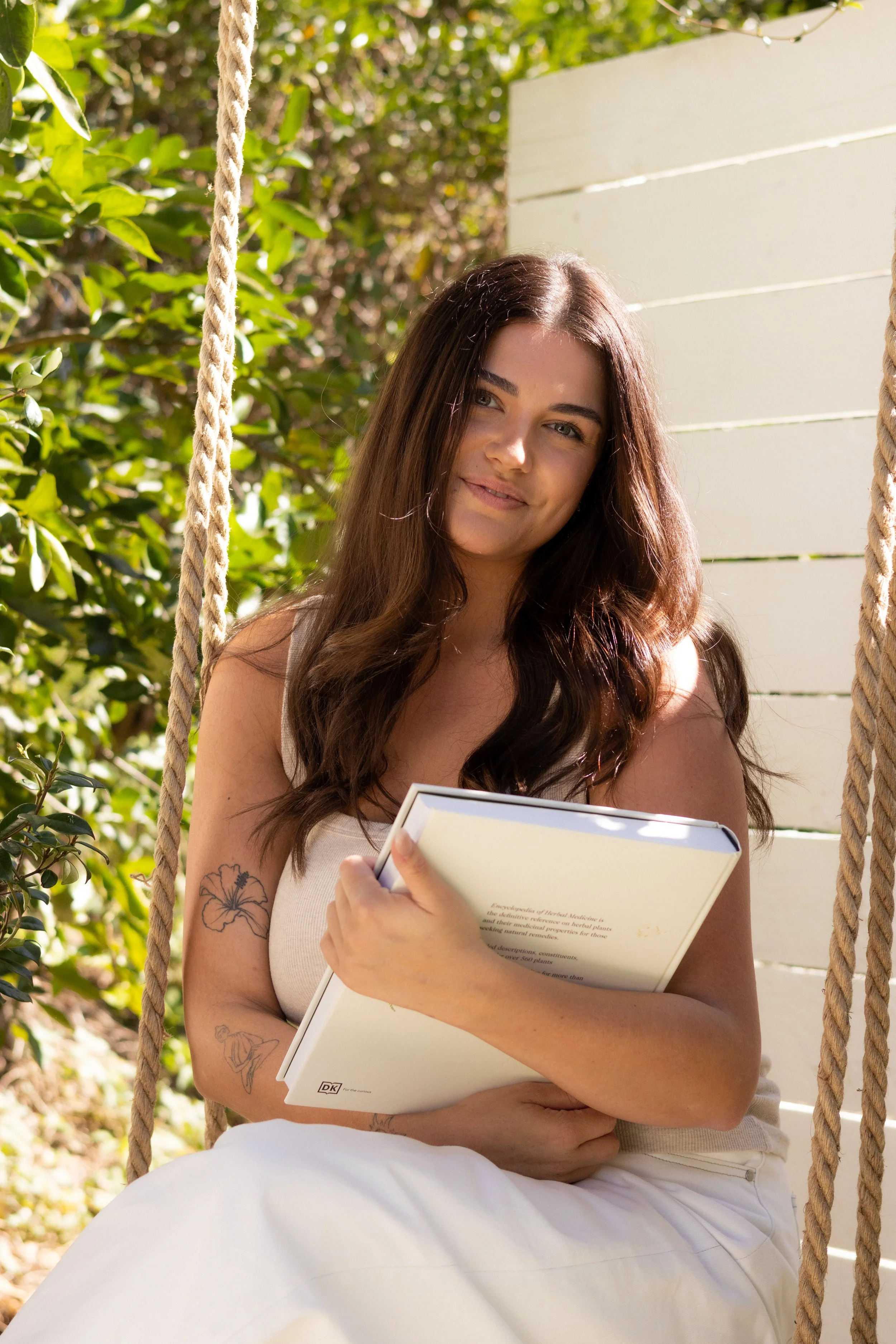
Meet Alexandria - Founder
From a young age, I battled a rare, chronic skin condition known as lichen planus - a condition that would appear seemingly out of nowhere, covering my skin in strange, painful, purple patches with no obvious cause or explanation.
At first, I was told to manage it. To put creams on it. To wait and see. But when the flare-ups continued, so did the questions.
Why was this happening to me? What was causing it? And why did nothing seem to truly stop it?
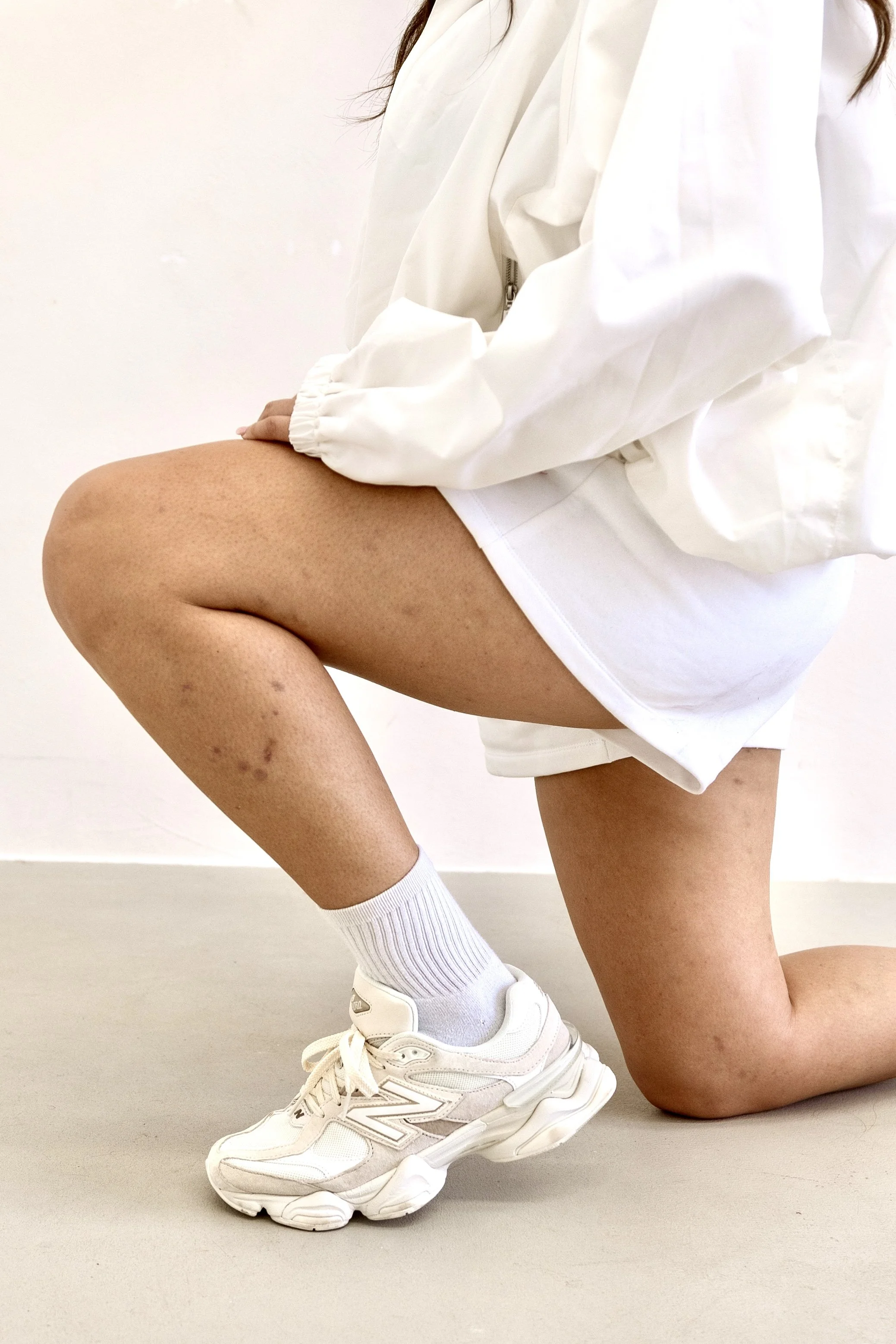
Over time, the patches would fade, but they often left behind something that was much harder to live with - dark pigmentation and black scars that could remain for months, sometimes years. I became incredibly conscious of my skin. I felt frustrated by my body, embarrassed by something I couldn't control, and desperate to find an answer.
I tried things that didn't work. I experienced the disappointment of watching symptoms return after thinking I had finally found something that might help. And, perhaps hardest of all, I began to realise how lonely it can feel when you know something isn't right in your body, but you don't understand why.
That experience changed me.
Instead of accepting that I simply had a condition I needed to manage, I became determined to understand why my body was reacting this way in the first place.
I began looking deeper - into gut health, inflammation, nutrition, hormones, the immune system and the nervous system. I started to see that the body doesn't work in isolated compartments. The skin is connected to the gut. The gut is connected to the immune system. Hormones influence inflammation. Stress affects the nervous system. And all of these systems constantly communicate with one another.
That realisation became the beginning of my journey into naturopathic medicine.
What started as desperation eventually became curiosity, then passion, and ultimately my career.
I studied naturopathic medicine because I wanted to understand the things I had once desperately wanted someone to explain to me - what was happening underneath the symptoms, why the body was responding the way it was, and what could actually be done to support it.
Today, I bring that same curiosity into my clinical practice.
I don't want my clients to feel like their symptoms are just something they have to live with or manage forever without understanding. I want them to feel heard, understood and genuinely investigated.
Because I've been the person searching for answers. I've been the person wondering if things could ever get better.
And I've experienced firsthand how powerful it can be when someone finally looks beyond the obvious symptom and starts asking “why?”
That is the kind of practitioner I want to be.
Not someone who simply treats what you can see - but someone who helps you understand what is happening underneath it.
My Philosophy is simple. True healing happens when we treat the whole person, not just the symptoms. Through a personalised, evidence-based approach, I aim to help you understand your body, calm your mind, and create long-lasting change from the inside out.”