
An online clinic offering naturopathic medicine Australia-wide. Supporting metabolic, gut, skin, hormones and mental health.
NATUROPALI
Our Approach to Supporting You
At Naturopali, we believe your body is deeply interconnected. Hormones, gut health and the nervous system all influence one another, and understanding those connections can be an important part of understanding how you’re really feeling.
We don’t want to simply put a band-aid over the symptom that brought you through the door. We take the time to listen, investigate and look at the bigger picture - connecting the dots between your symptoms, your history and your everyday life.
Every consultation is about getting to know you - what your body has been experiencing, what may be contributing to it, and what support will genuinely fit into your life.
Because you deserve to feel heard, understood and supported - not just told that everything looks “normal.”

Hi, I'm Ali!
I'm a naturopath (BHSc) with a passion for all things gut, hormones, and the gut-brain connection. I love helping people uncover the "why" behind their symptoms and creating realistic, evidence-informed plans that support long-term health - without the overwhelm.
My journey into natural health is also personal. Living with lichen planus has given me firsthand insight into the challenges of navigating chronic health conditions and the impact they can have on confidence, wellbeing, and daily life. It's one of the reasons I'm so passionate about helping others feel heard, supported, and empowered in their own health journey.
When you work with me, expect a warm, down-to-earth approach, plenty of education, and a few laughs along the way. My goal is to help you feel your best from the inside out because health should feel achievable, not complicated.
Alexandria Tapsall
Bachelors in Health Science (Naturopathy); NHAA 160199
Meet your Naturopath
About NATUROPALI
Ali has a holistic, science-backed approach to a person’s health. She looks deeper than just surface-level symptoms, helping you understand what is preventing you from healing. She offers a tailored nutrition, targeted herbal medicine and lifestyle approach to feeling better. Ali creates a foundation that supports your body’s natural process of healing.
Ali has a strong interest in gut function and stress, as she wrote her first ever ebook, “Belly to Brain.” Ali believes the gut is incredibly integral to so many other health conditions, that everyday individuals suffer from. She also believes that stress can do the same too.
Australia-Wide, Telehealth Naturopathy.
Areas of Support
(click on a heading to find out more!)

Ali’s Passion for Gut and Metabolic Health
The gut is far more than digestion. It plays a central role in immune function, inflammation, nutrient absorption, hormone metabolism and the gut-brain connection. When gut health is compromised, it can influence how we feel across the entire body.
I’m equally passionate about metabolic health because so much of modern chronic disease is connected to how well the body regulates blood sugar, insulin, energy and inflammation. Supporting these foundations early can be an important part of reducing future health risks and building better health for the long term.
Rather than waiting until symptoms become a diagnosis, I love looking at the earlier signs - the bloating, energy changes, cravings, hormonal shifts, skin changes, poor sleep or blood sugar fluctuations - and asking why are these happening?
This is where naturopathic medicine is most powerful: looking upstream, connecting the dots and using prevention as a foundation for better health.

Skip the guess work, let’s work together to find the root cause to your illness.
Wish to know Ali better? Check out her instagram (@naturopali)










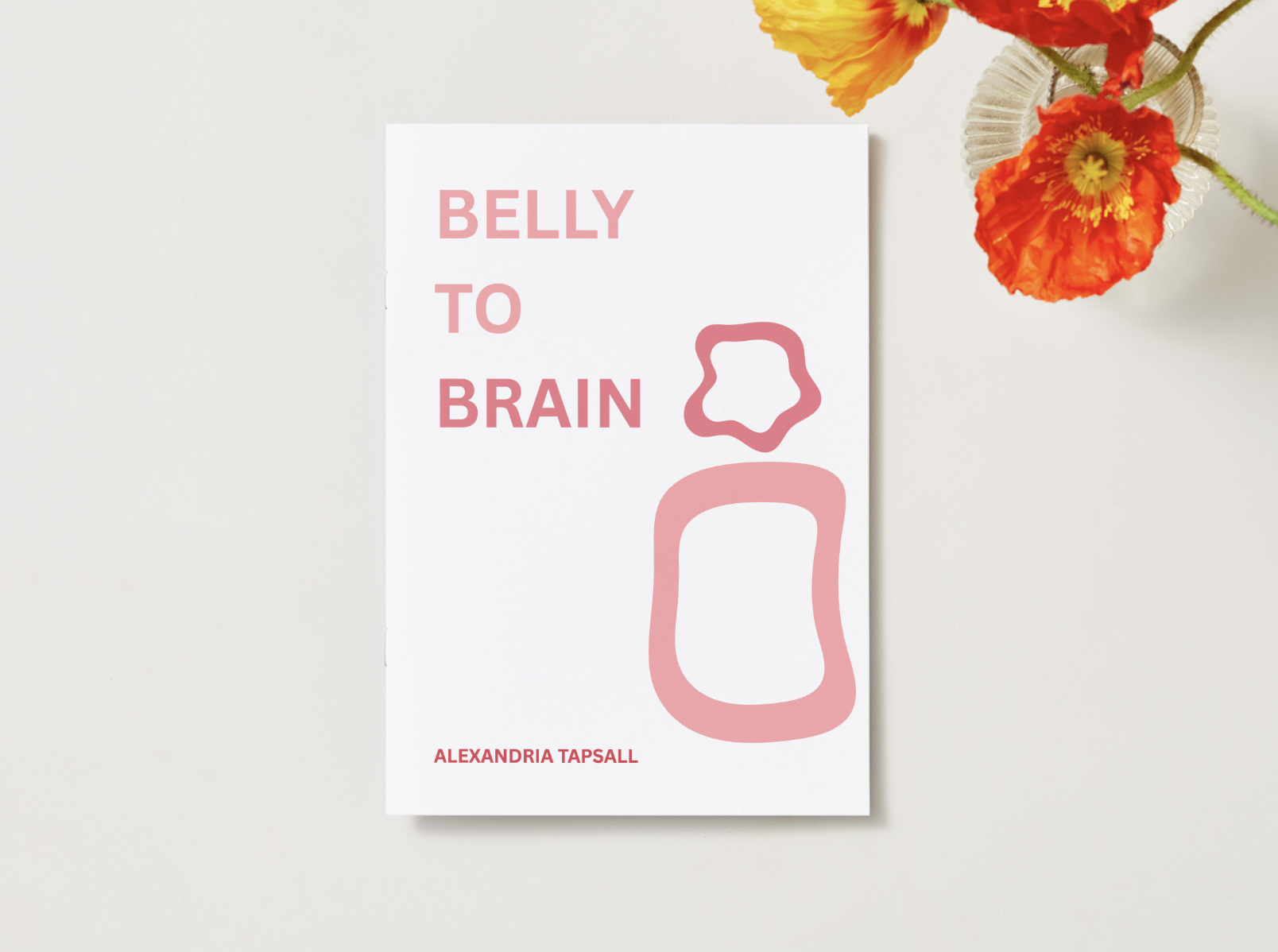
Belly To Brain is a 118 page in-depth exploration of the intimate relationship between your digestive system and your mind — a connection science now calls the gut–brain axis (GBA). Blending modern research with naturopathic wisdom, this ebook unpacks how your microbiome, nervous system, hormones, and emotions constantly communicate to shape your health, mood, and vitality.
Through rich, accessible explanations, you’ll learn how the gut influences everything from neurotransmitter production to stress resilience, liver function, and even skin health. You’ll discover why gut diversity matters, how chronic stress and cortisol affect gut permeability, and how the vagus nerve acts as a two-way messenger between your digestive and emotional worlds.
This book also dives deep into practical healing — empowering you to understand not only what’s happening inside your body, but how to restore balance.
Whether you’re a wellness seeker, practitioner, or someone struggling with bloating, stress, or mood imbalance, this book offers a holistic roadmap to repair, resilience, and reconnection — from the inside out.
I wrote an Ebook!
The gut-brain axis is the two-way communication network between the digestive system and the brain. This connection is mediated through the nervous system (particularly the vagus nerve), hormones, immune signalling, and the gut microbiome. Rather than operating separately, the gut and brain are in constant conversation - meaning what happens in the gut can directly influence mood, cognition, stress response, and emotional wellbeing, and vice versa.
Around 70 - 80% of the body’s serotonin is produced in the gut, and the gut microbiome plays a crucial role in neurotransmitter production, inflammation regulation, and stress resilience. When gut health is compromised — through chronic stress, infections, dysbiosis, inflammation, or poor digestion — this communication can become dysregulated, contributing to symptoms such as anxiety, low mood, brain fog, fatigue, and digestive distress.
Equally, psychological stress can alter gut motility, increase intestinal permeability, disrupt the microbiome, and heighten gut sensitivity. This is why conditions like IBS, anxiety, depression, and chronic stress so often coexist.